Seeing Partnership in Action at Falkirk’s Canal Restoration Project
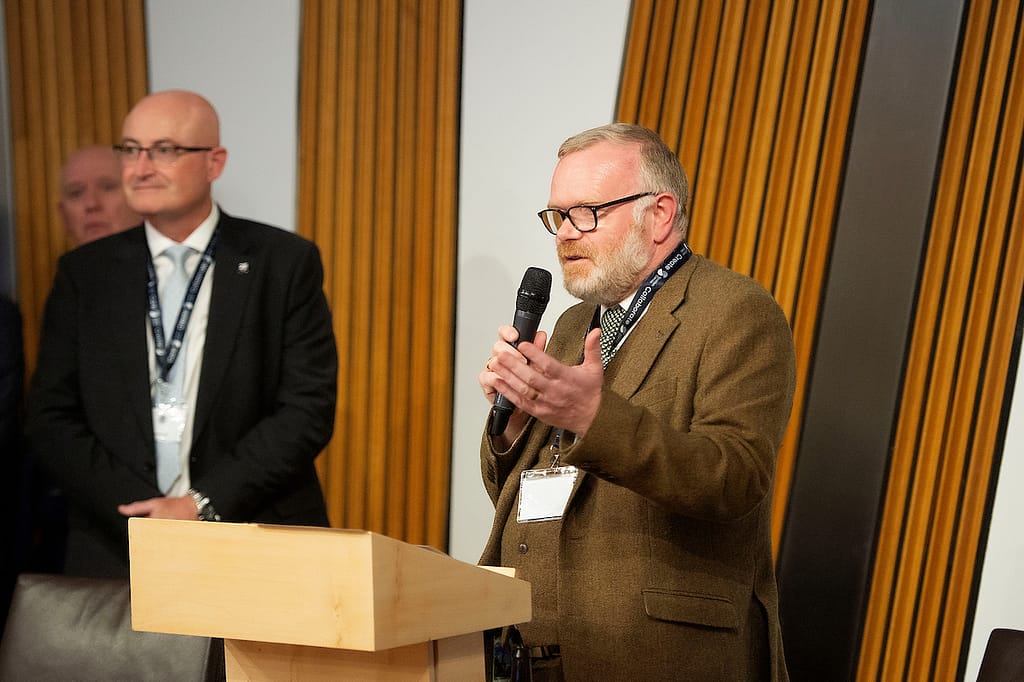
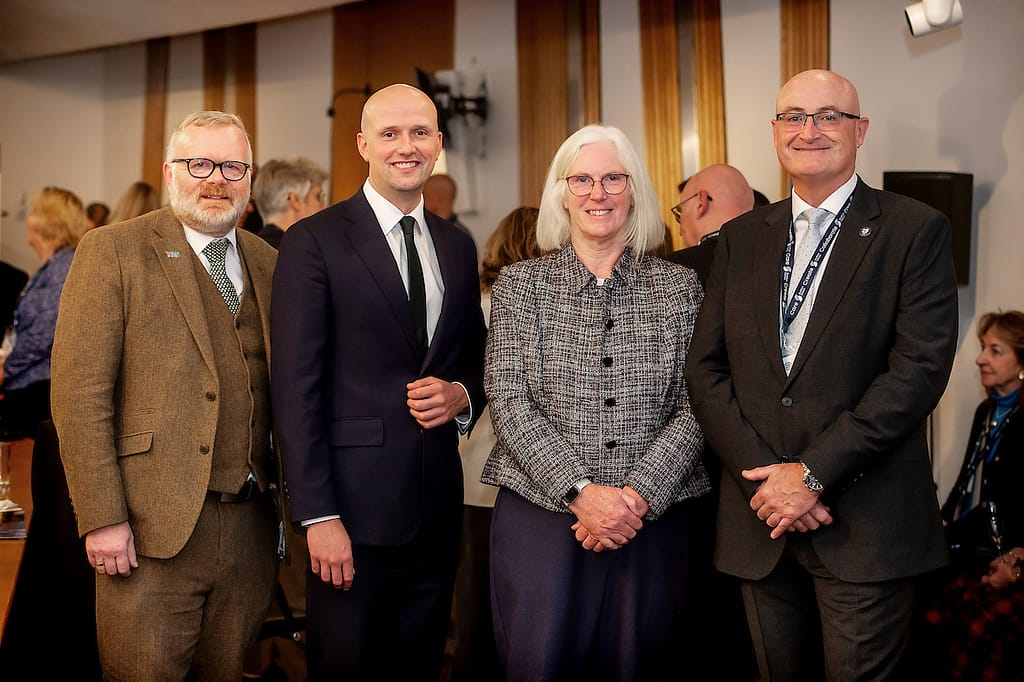
From Holyrood to canal side . . .
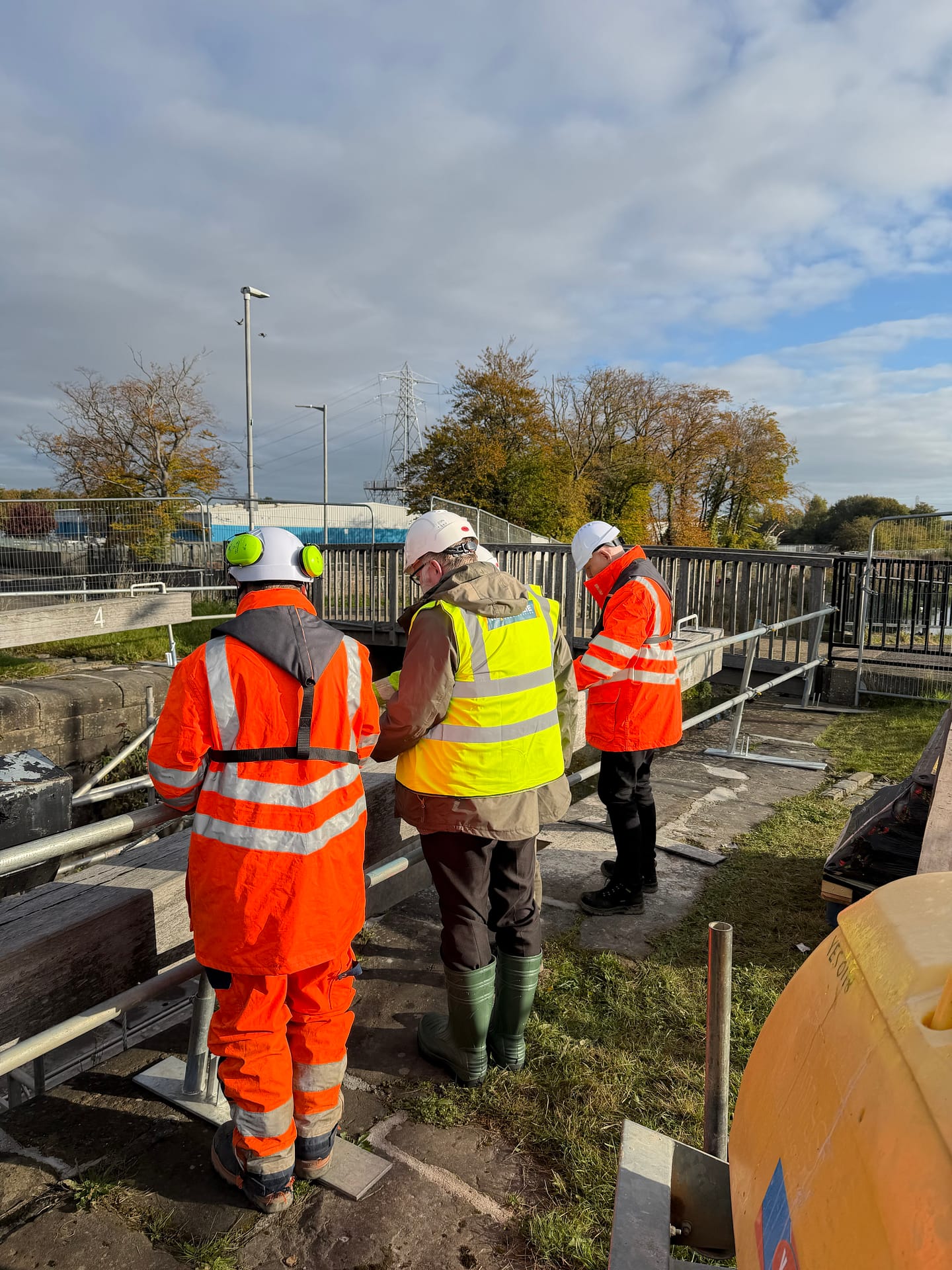
I was delighted to visit the Forth & Clyde Canal in Falkirk this week to see firsthand the largest programme of canal engineering works undertaken in Scotland for 25 years and hear more about the long-term vision for our historic waterways.
The visit followed a Scottish Canals reception at the Scottish Parliament earlier this month, which I was proud to sponsor. The event provided a valuable opportunity to discuss the important role Scotland’s canals continue to play in the 21st century, supporting tourism, active travel, biodiversity, economic development and community wellbeing across the country.
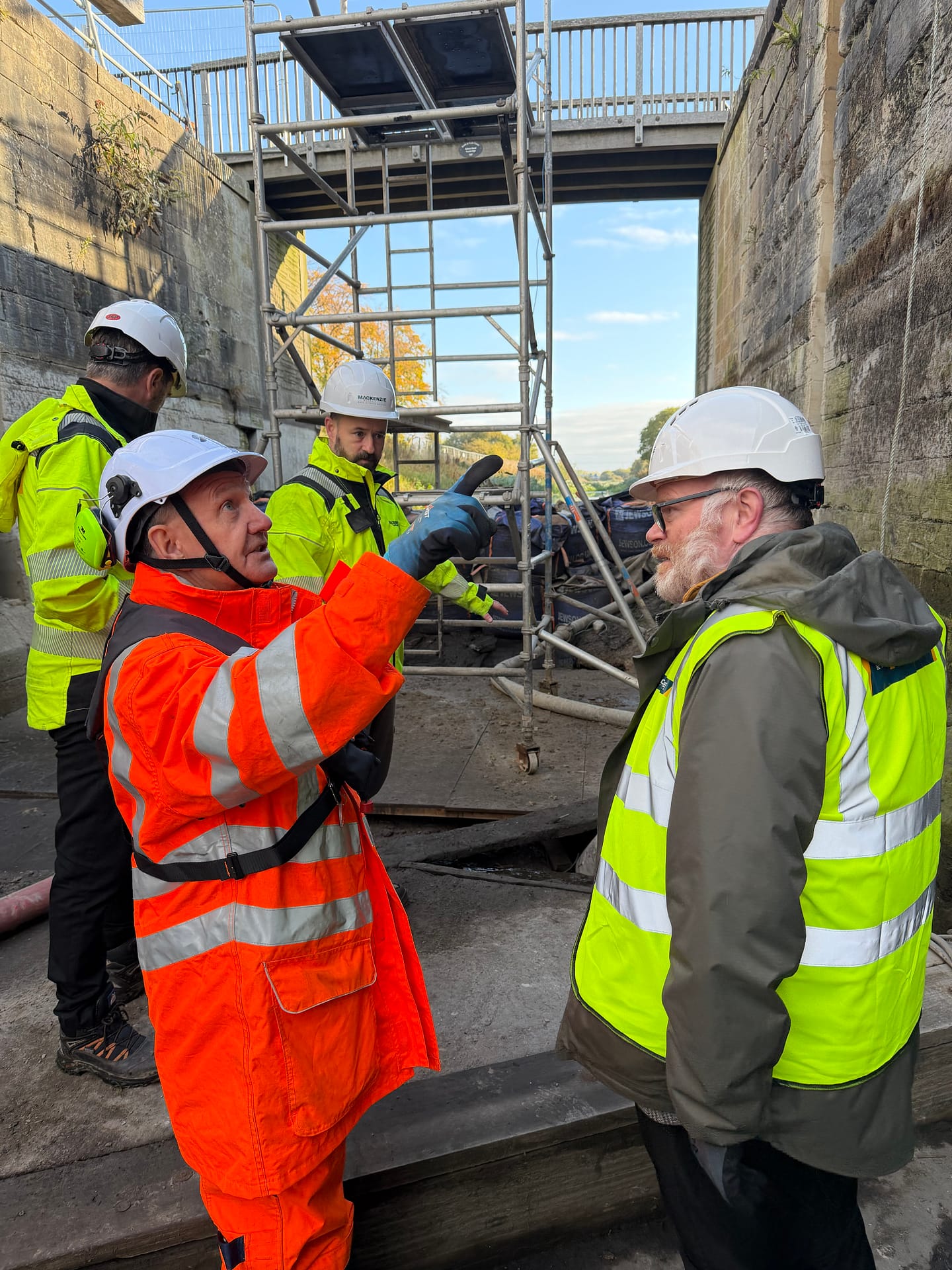
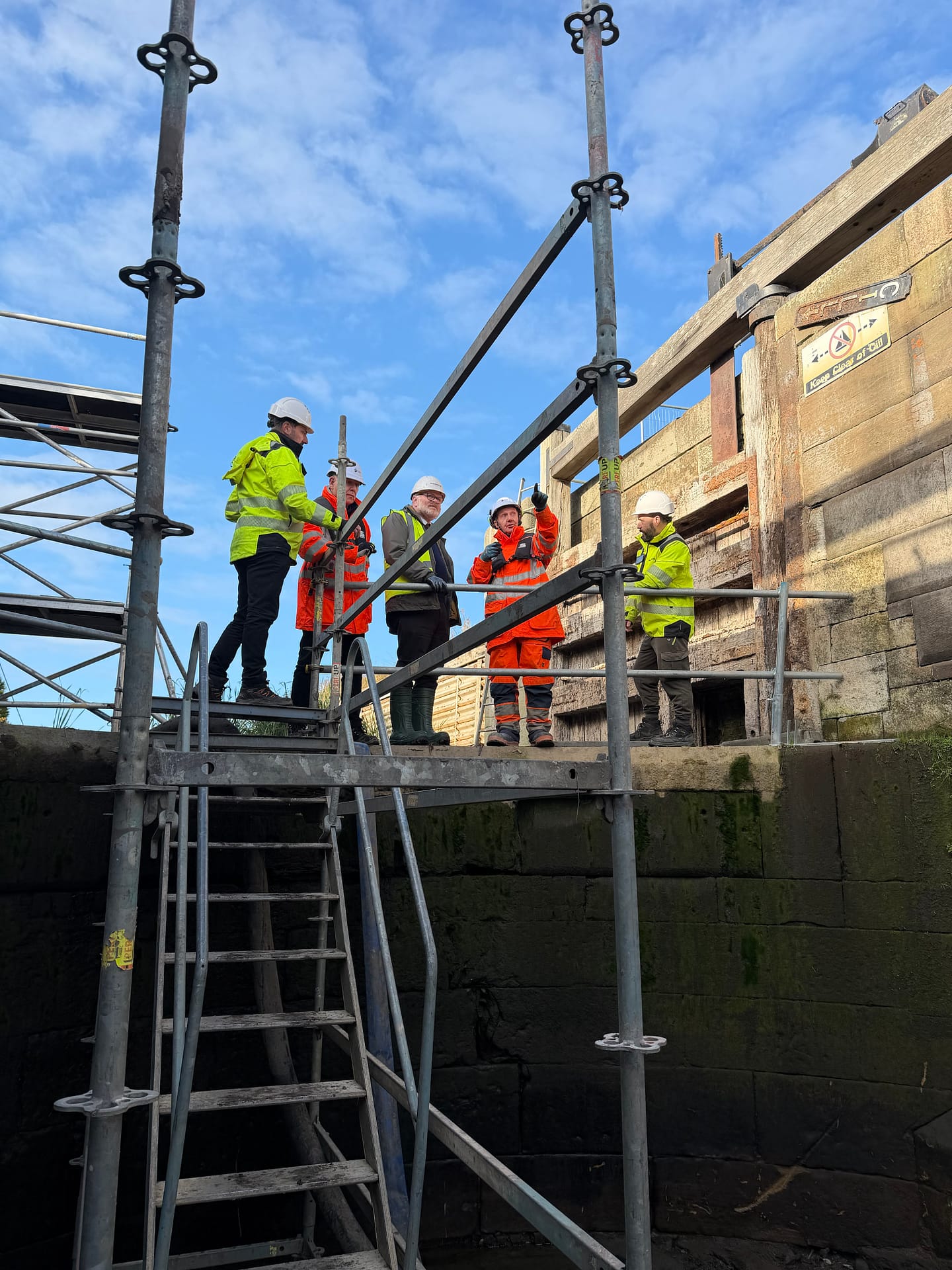
During my visit, I was joined by George McBurnie, Senior Project Manager at Scottish Canals; Ross Speirs, Deputy Director of Engineering & Assets at Scottish Canals; Robert O’Neill, Site Agent at Mackenzie Construction; and Mark Wilson, Managing Director of Mackenzie Construction. I was grateful for the opportunity to hear directly from those leading the project and to learn more about the significant progress already being made.
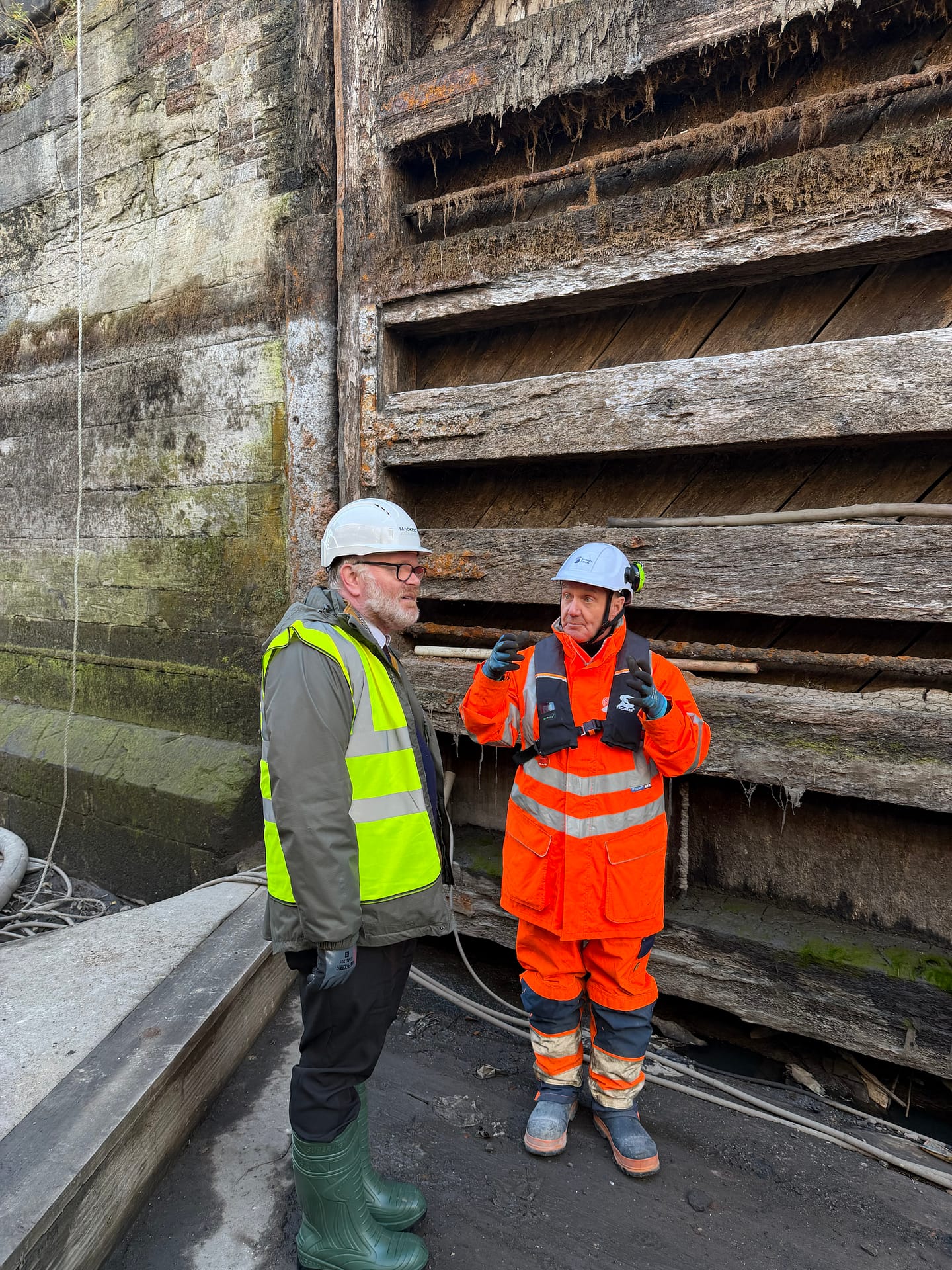
The scale of the works is truly impressive. Stretching approximately three miles from Camelon to Grangemouth, this is the biggest engineering project on a Scottish canal in a quarter of a century. The team explained how work has progressed from the bypass installation at Lock 16 early last year and continues along the Falkirk Flight, with current activity focused on Locks 4 and 13 ahead of the installation of replacement gates.
One particularly interesting aspect of the project is the installation of stop-plank grooves at locks along the flight. This will allow future maintenance works to be carried out on individual lock chambers without the need to drain and rewater the entire stretch of canal, making future maintenance significantly more efficient while reducing disruption.
I was also pleased to hear about Scottish Canals’ wider investment in Falkirk, including the transformation of the former Barr factory in Camelon into a new Centre of Excellence for Canals and Traditional Skills. This exciting project will create a dedicated training hub, helping to preserve specialist heritage skills while supporting employment opportunities and developing the workforce needed to maintain Scotland’s waterways for generations to come.
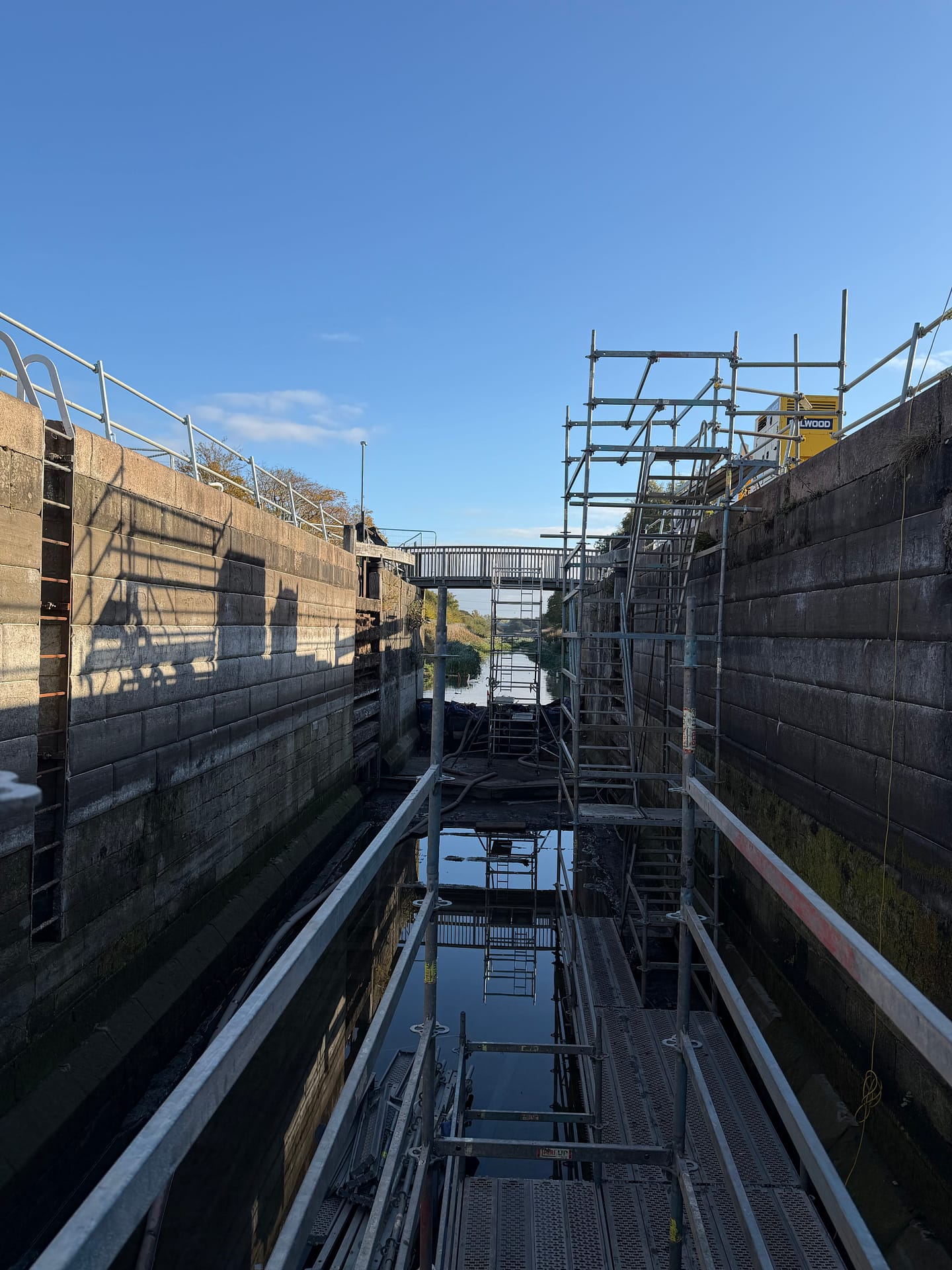
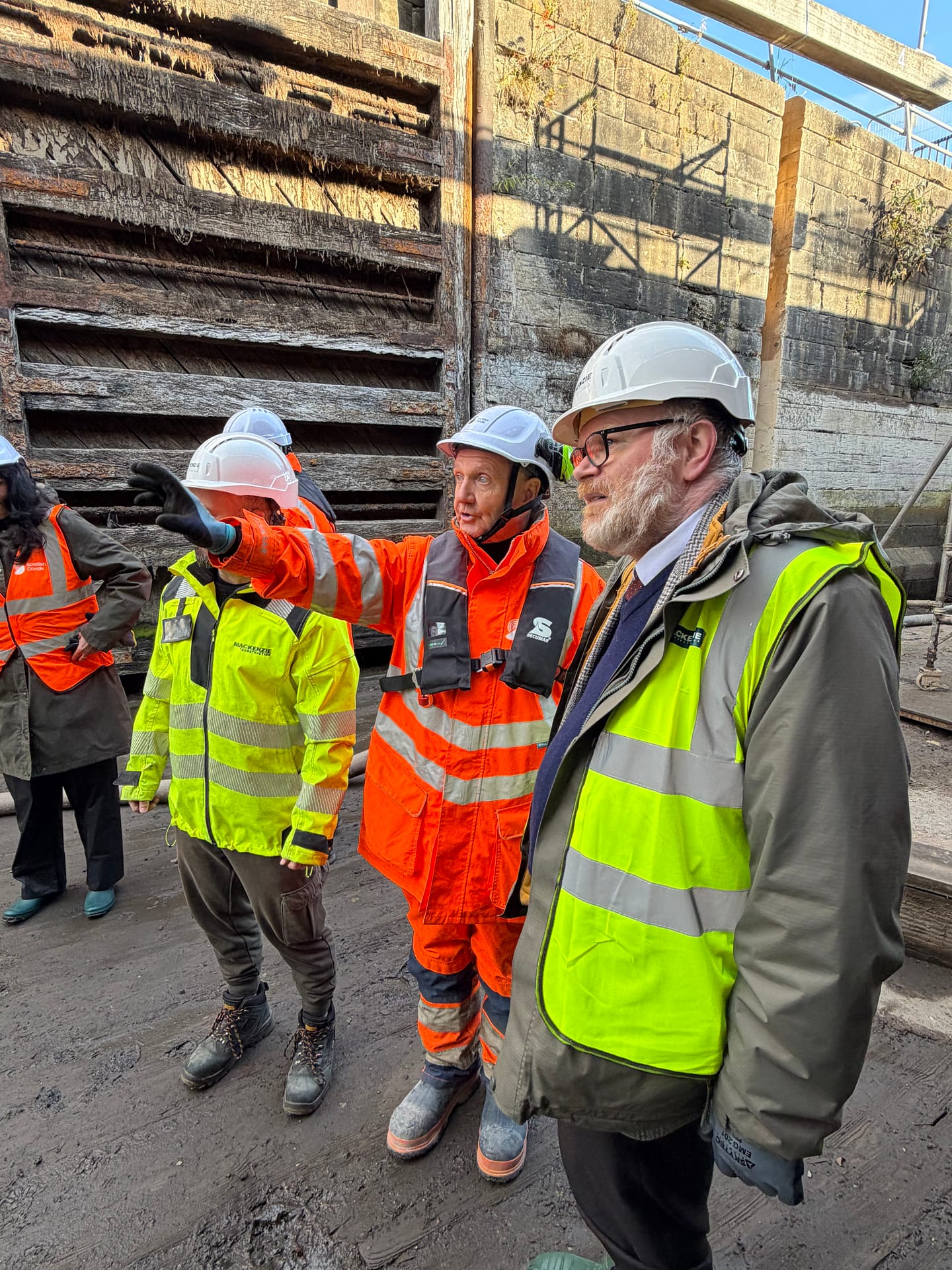
The team also outlined plans for the future re-watering of the canal. Detailed work is already underway, including environmental assessments, vegetation clearance planning and silt removal considerations, all of which will be essential to ensuring the canal can be successfully and sustainably re-watered in the future.
What struck me most throughout the visit was the clear ambition behind these projects. Scotland’s canals are far more than part of our industrial heritage. They are living assets that connect communities, support local economies, provide opportunities for recreation and active travel, and create important habitats for wildlife.
Seeing the scale of investment being made here in Falkirk reinforces the enormous potential our waterways have, not only as a link to our past but as an important part of Scotland’s future.
My thanks go to everyone at Scottish Canals and Mackenzie Construction for taking the time to show me around the site and provide such a detailed insight into the work taking place. I look forward to seeing the project continue to progress and to the lasting benefits it will bring for Falkirk and communities right across Scotland.