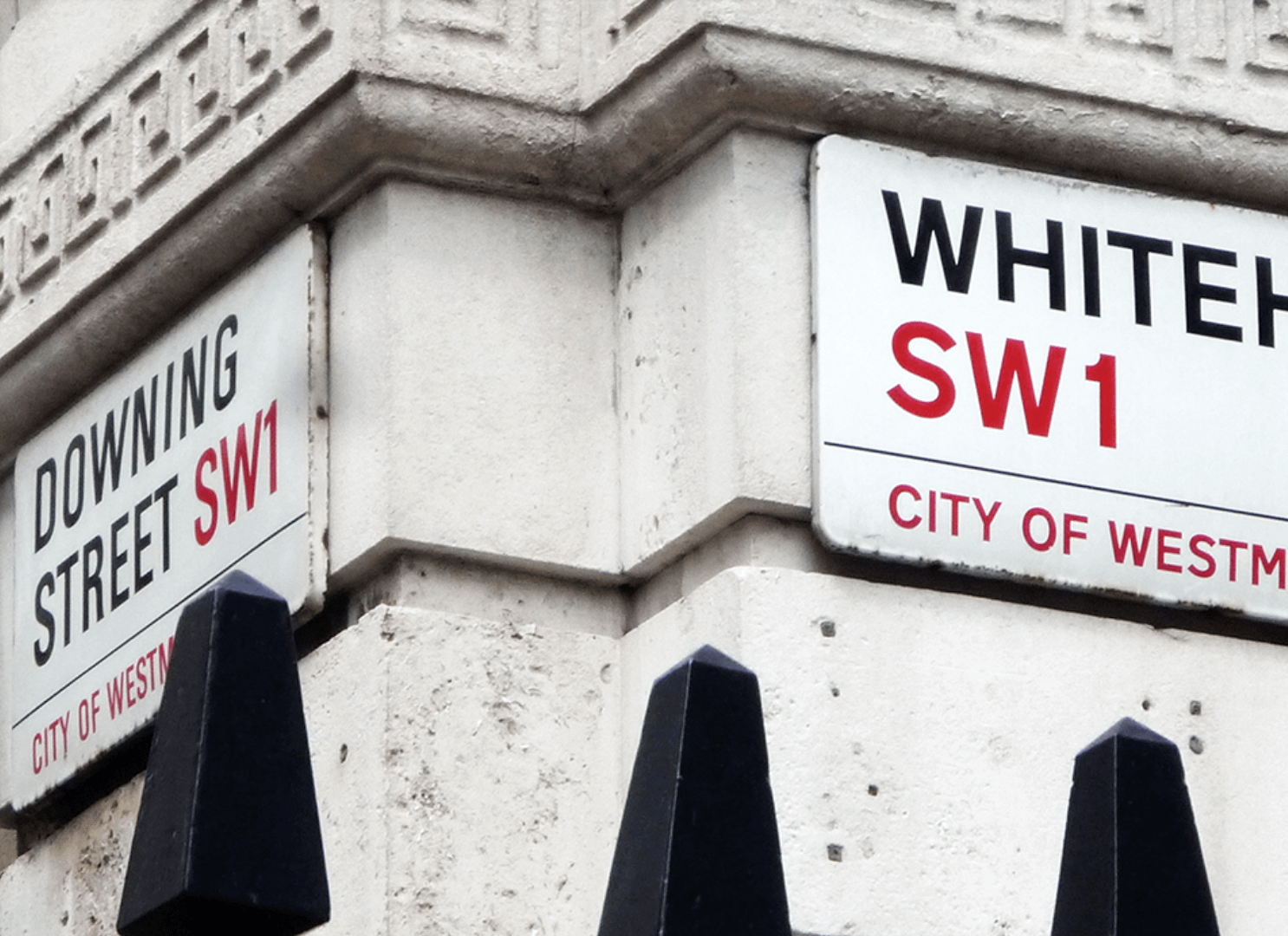
Dear {name} In my last newsletter, I covered how Andy Burnham’s arrival in Downing Street would reveal whether his promised “rewiring of Britain” represented genuine change for Scotland or simply a different form of Westminster control. We now have our answer. Burnham became the UK’s seventh prime minister in a decade on 20 July, without a general election or a direct mandate from the people of Scotland. Three days later, he met First Minister John Swinney in Glasgow. He talked about partnership, reindustrialisation and deeper devolution, but declared another referendum on Scottish independence “off limits”. That is the fundamental contradiction in his position. Burnham says power should be taken out of Westminster and placed closer to communities. Yet when Scotland asks to decide its own constitutional future, Westminster’s answer remains no. Scotland is not an English region waiting to receive whatever powers a British prime minister considers appropriate. Devolution by permission is not self-government. Westminster still decides which powers Scotland may exercise and whether the people of Scotland are allowed to reconsider this voluntary Union itself. Burnham says another referendum would distract from economic growth and the cost of living. Yet it is these failures of the Union that make independence increasingly urgent. Scotland is an energy-rich country whose households face sky-high energy bills. Grangemouth demonstrated the consequences of lacking control over energy, taxation, trade, regulation and industrial investment. The rising cost of remaining within the UK, and the declining benefits of this profoundly unequal Union, cannot be dismissed as constitutional distractions. National movements seldom progress steadily towards independence. Political circumstances change suddenly. The Berlin Wall appeared permanent until it opened in November 1989. Nicolae Ceaușescu’s regime collapsed within days, while the Assad government in Syria fell rapidly in December 2024. Structures which appear immovable can become vulnerable remarkably quickly when circumstances and public expectations change. Our task is to expose the costs of remaining in the UK and repeated refusals to respect Scotland’s democratic voice. Throughout history, movements for national self-determination have broadly pursued three routes: an electoral mandate, mass civil disobedience or armed revolt. There can never be justification for violence. Which makes blocking the democratic route is such an extremely dangerous and irresponsible position for any UK Government to take. Our democratic legitimacy must therefore be combined with sustained popular organisation, strong civic and national institutions, international engagement, peaceful pressure and a credible plan for governing an independent Scotland. That plan will probably require breaking British laws. If Westminster’s settled position is that Scotland’s electoral mandates will never be honoured, the only remaining nonviolent route is a disciplined, Gandhian campaign of mass civil resistance and non-cooperation - a Scottish movement comparable in spirit to Quit India. We need to start picking fights. That does not mean disorder or violence. It means peacefully withdrawing consent from Westminster’s constitutional veto, mobilising people across Scotland, building alternative national institutions and seeking international recognition of Scotland’s democratic case. Should such peaceful resistance also be obstructed, the answer must not be violence, but broader non-cooperation, greater international pressure and an even stronger refusal to accept rule without democratic consent. Burnham has made Westminster’s position clear. Scotland may be offered limited reform, but it will continue to be denied the right to decide. We cannot sit back and wait for permission that Westminster has no intention of granting. Throughout history, supporters of independence movements have been persecuted, imprisoned and even killed. We must not blink first. Scotland has an electoral mandate that the British state has no democratic right to deny. The question is whether our determination to secure democracy is greater than Westminster’s determination to deny it. Whichever is stronger will ultimately prevail. We must be prepared to act peacefully, democratically and together as a nation. Yours for Scotland, 
Martyn Day MSP Falkirk East and Linlithgow PS - if you are enjoying these newsletters please pass them on to a friend or two. |